Eye Rejuvenation Acupuncture Programme

eye rejuvenation acupuncture

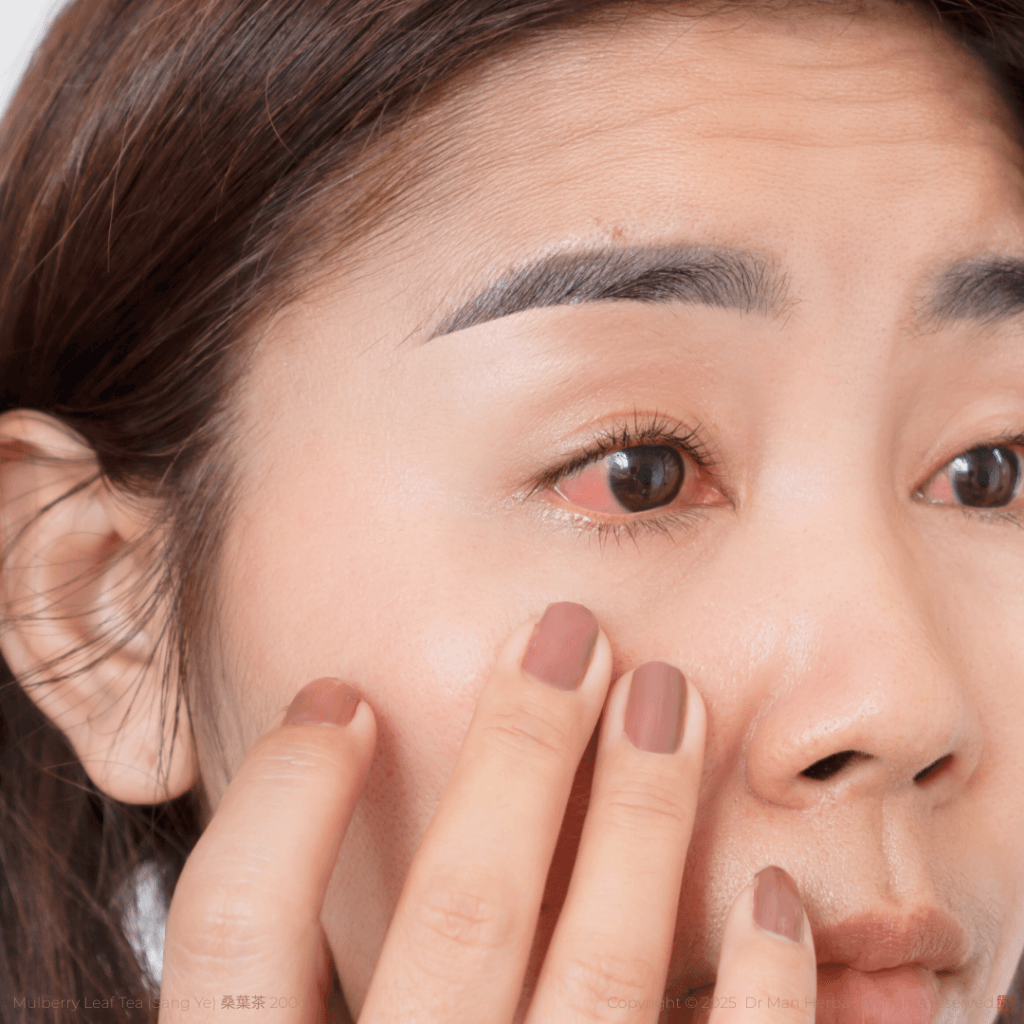
Targeting dark circles, eye bags & eye fatigue

Do you know how many hours a day you spend looking at digital screens?
Late nights, irregular meals, busy schedules and constant stress can all take a toll on your eyes and your overall wellbeing.

From a Traditional Chinese Medicine (TCM) perspective, these habits affect the Liver, Spleen and Kidney systems. When these organs are weakened, the flow of Qi and blood around the eyes becomes sluggish – leading to dark circles, puffiness, sagging skin and visual fatigue.

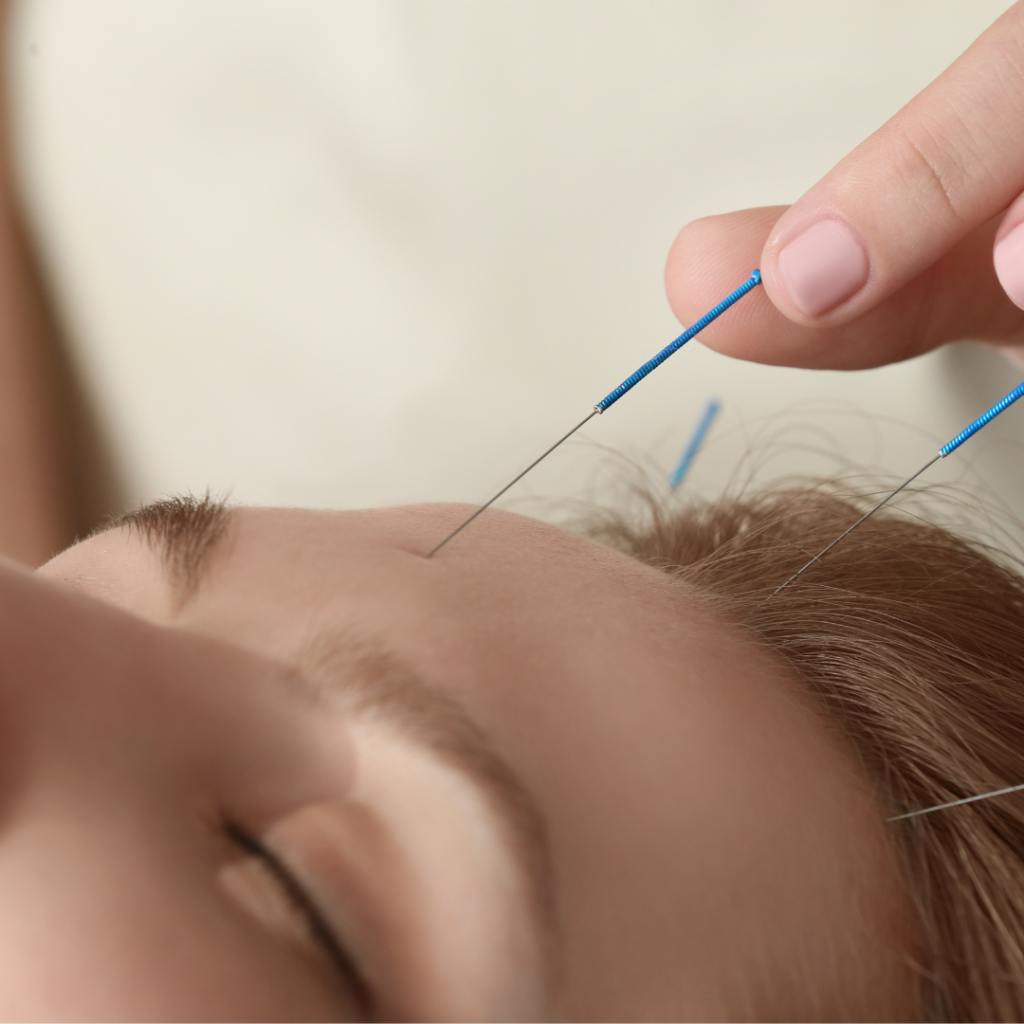
At Dr Man Herbal, our Eye Rejuvenation Acupuncture Programme combines targeted acupuncture around the eye area with customised herbal prescriptions. This approach enhances circulation, supports internal balance, and revitalises the eye region from within.
How Does TCM Explain Eye Ageing?

TCM classics say: “The Liver stores blood and opens into the eyes.”

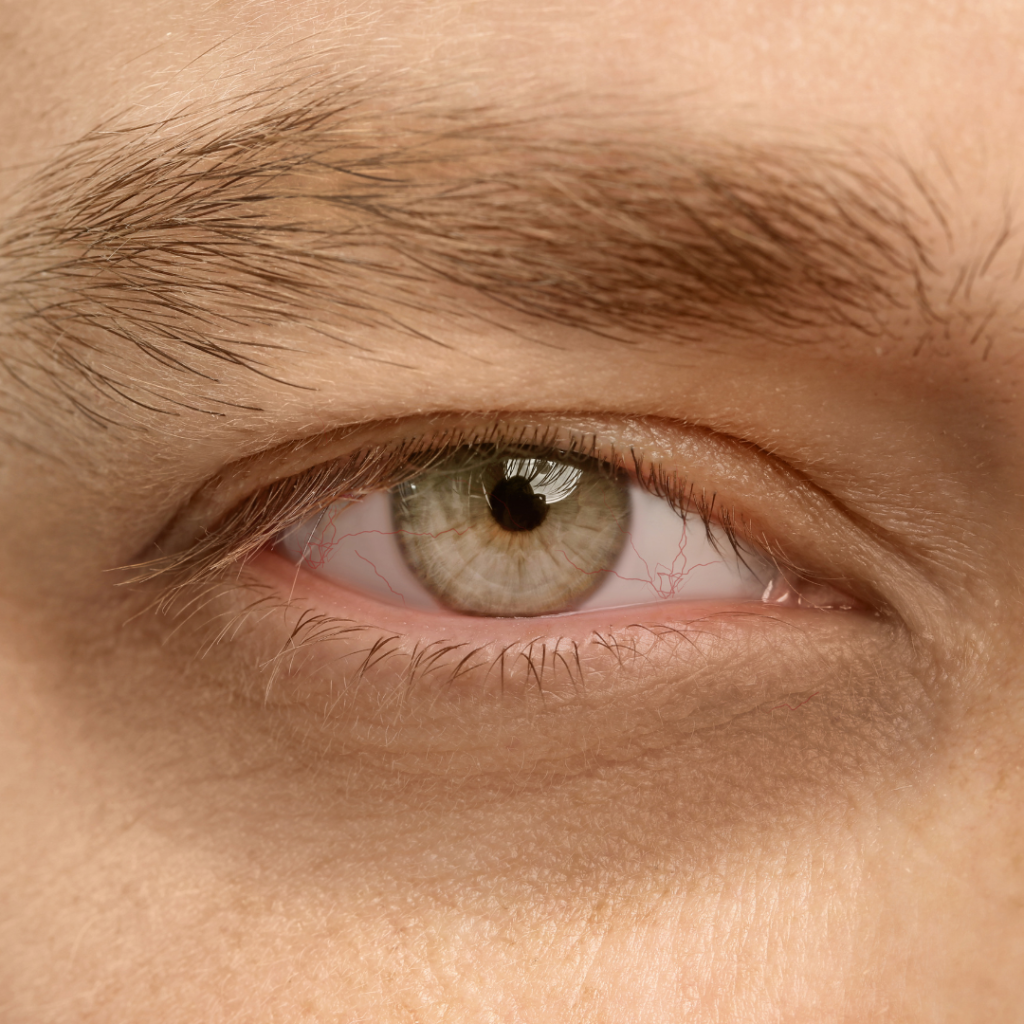
Lack of rest, emotional stress and long-term screen use can weaken Liver blood, Spleen Qi and Kidney essence. When Qi and blood cannot nourish the eyes properly, the imbalance shows externally — especially around the delicate skin of the eye area.

Treatment Overview

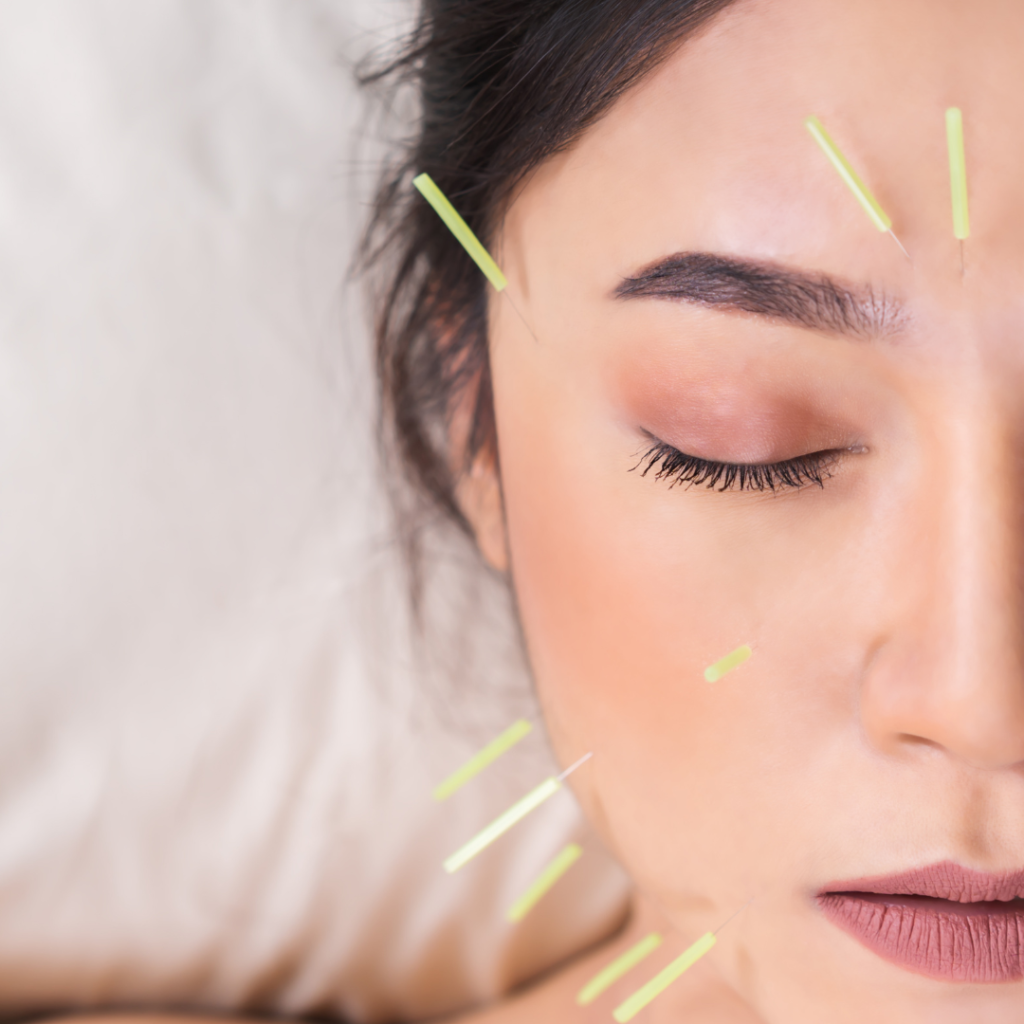
1️⃣ Localised Eye Acupuncture

Eye and facial acupuncture points are used to:

  • Relax tense eye muscles caused by prolonged screen use
  • Improve microcirculation around the eyes
  • Stimulate collagen and elastin regeneration
  • Refresh and brighten the eyes

Expected benefits:
Reduced puffiness, improved skin tone, lighter dark circles and a more energised look.

2️⃣ Internal Herbal Support

A personalised herbal formula is prescribed based on your body constitution. Herbs commonly target:

  • Nourishing Liver blood
  • Strengthening Spleen Qi
  • Replenishing Kidney essence

Expected benefits:
Improved overall vitality, better sleep, enhanced metabolic function and healthier skin elasticity.
By supporting the internal organs, the eye skin receives better nourishment and ages more slowly.

Who Is This Programme For?

This treatment is suitable for individuals who:

  1. Want to improve dark circles and eye bags
  2. Experience eye fatigue from long working hours or digital screen use
  3. Feel eye dryness after laser vision correction
  4. Notice asymmetrical eyelids or mild ptosis
  5. Have sagging or easily swollen eyelids

Aftercare Advice (Post-Treatment Care)

To ensure optimal results and protect your skin after treatment:

  • Avoid skincare products, masks and make-up for 24–48 hours
  • Avoid heavy or full-coverage make-up during healing
  • Do not rub or massage the face
  • Avoid strong sunlight; use a hat or sunshade when outdoors
  • Refrain from steaming, saunas or hot baths on the same day
  • Mild redness or small bruises may occur and typically fade in 1–3 days; warm compresses can help
  • Avoid alcohol and spicy foods
  • Prioritise sleep and hydration to support skin recovery
Ready to Start Your Healing Journey?

Whether you’re new to Chinese medicine or continuing your care, our friendly team is here to help.

With clinics conveniently located in Wimbledon and Kensington High Street, we provide personalised treatments to support your health and wellbeing.

Contact us to check our schedule and book your appointment today — experience holistic care that works with your body, not against it.

👉 [Book an Appointment]
👉 [Contact Us for a Free Enquiry]

TCM Diet for Skin Health | Foods to Avoid & Gentle Recommendations for Eczema, Acne & Psoriasis

TCM Diet for Skin Health | Foods to Avoid & Gentle Recommendations for Eczema, Acne & Psoriasis

In Traditional Chinese Medicine (TCM), the skin is closely linked to the health of the whole body. Skin disorders such as eczema, psoriasis, and acne are not seen as purely surface problems; instead, they reflect an internal imbalance. One of the most common underlying causes is an excess of Heat in the body, which disrupts the natural balance of Yin and Yang.

This idea of “excess Heat” can be compared to inflammation in Western medicine. When Heat accumulates, it irritates the skin, leading to symptoms such as redness, itching, dryness, or oozing.

Food plays a major role in how Heat and Dampness develop. In TCM, food carries certain energetic qualities: some are warming, some cooling; some create Dampness, others Dryness. If a person’s diet leans heavily towards Heat- and Damp-producing foods, skin flare-ups become more likely.

Below are some categories of foods that are best avoided if you suffer from skin conditions, with both TCM and Western explanations.

Foods Best Avoided

  • Fungi (mushrooms, shiitake, enoki, etc.): Mushrooms grow in damp, humid places. In Chinese medicine, food takes on the nature of its environment. Dampness traps heat, like a tropical forest, so eating fungi can increase damp-heat in your body and make skin problems worse.
  • Seafood and certain meats (shrimp, crab, beef, goose, mutton): These foods are very rich in nutrients and energy. If your body does not use up this energy, it can turn into excess heat, which may trigger flare-ups of skin conditions.
  • Fruits (peach, lychee, mango, strawberry, pineapple etc.): Many fruits are juicy and high in sugar. Too much of them can make the body damp and humid, and the high sugar level can also create extra heat.
  • Vegetables and spices (bamboo shoots, onions, garlic, pepper, curry, star anise etc.): Strong-flavoured foods have a powerful aroma that can easily irritate the body. When the body is irritated, it produces more heat, which can worsen skin symptoms.
  • Fermented and processed foods (alcohol, Laksa, Tom Yam soup, crab/shrimp paste, etc.): These foods can heat up and dry out the body. When the body is dry, it is like a desert where heat becomes the main condition, leading to more irritation on the skin.
  • Other Foods (Glutinous Rice, Dairy Products, Soy Milk, etc.): Glutinous rice and rich dairy products are considered damp-forming and heavy to digest. Consuming them can contribute to internal Dampness, which traps Heat and may worsen skin disorders. Soy milk, while plant-based, is also seen as slightly Damp in nature, and excessive intake can aggravate Damp-Heat patterns.

In summary, these foods may disturb the body’s balance and make skin conditions harder to manage. Avoiding them can help reduce flare-ups and support healing.

Foods That May Help Support the Skin

Alongside avoiding Heat- and Damp-producing foods, TCM also recommends including foods that are cooling, Yin-nourishing, and hydrating. These foods can help calm Heat, support Yin, and promote clearer skin.

  • Cooling Vegetables: Cucumber, lettuce, celery, watercress, and courgette – help clear Heat and hydrate the body.
  • Mildly Sweet Foods: Pear, apple, melon, and grapes – moisten dryness and provide gentle nourishment without generating excess Damp.
  • Whole Grains and Legumes: Mung beans, barley, oats, and adzuki beans – traditionally used to clear Heat and drain Dampness.
  • Leafy Greens: Pak choi, kale, and spinach (in moderation) – provide vitamins and fibre; lightly cooked is often gentler on digestion.
  • Cooling Drinks: Chrysanthemum tea, barley water, or plain warm water – support Yin and clear Heat naturally.
  • Lean Protein Alternatives: White fish (in moderation), tofu, or pulses – provide balanced nutrition without creating excess Heat.

The Foundations Behind These Views

TCM and Western nutrition are two distinct medical systems with their own theories and approaches.

  • In TCM, the focus is on the energetic qualities of food: warming, cooling, moistening, or drying, and how these influence the balance of Yin and Yang, as well as the presence of Heat and Dampness.
  • In Western nutrition, the emphasis is on measurable nutrients such as vitamins, minerals, fats, and sugars, and how these affect metabolism, inflammation, and organ function.

While independent, these two perspectives can both offer valuable insights into how diet affects skin health.

TCM Diet for Skin Health

by Dr Man Herbal

TCM Diet for Skin Health | Foods to Avoid & Gentle Recommendations for Eczema, Acne & Psoriasis

Conclusion

From both TCM and Western perspectives, diet plays a central role in skin health. Avoiding foods that increase Heat, Dampness, or inflammation — such as shellfish, rich meats, sugary fruits, and processed foods — can reduce flare-ups. At the same time, choosing cooling, Yin-nourishing foods such as cucumber, pear, barley, and mung beans helps soothe Heat and restore balance.

By considering both traditional wisdom and modern nutritional science, patients can make informed dietary choices that support healthier skin and overall wellbeing.

Ready to Start Your Healing Journey?

Whether you’re new to Chinese medicine or continuing your care, our friendly team is here to help.

With clinics conveniently located in Wimbledon and Kensington High Street, we provide personalised treatments to support your health and wellbeing.

Contact us to check our schedule and book your appointment today — experience holistic care that works with your body, not against it.

👉 [Book an Appointment]
👉 [Contact Us for a Free Enquiry]

Natural Chinese Herbal Acne Balm | Chinese Goldthread Balm by Dr Man Herbal

Natural Chinese Herbal Acne Balm

“Mum, I’ve got breakouts again!”

Chinese Goldthread Balm: A Natural Solution for Acne and Breakouts

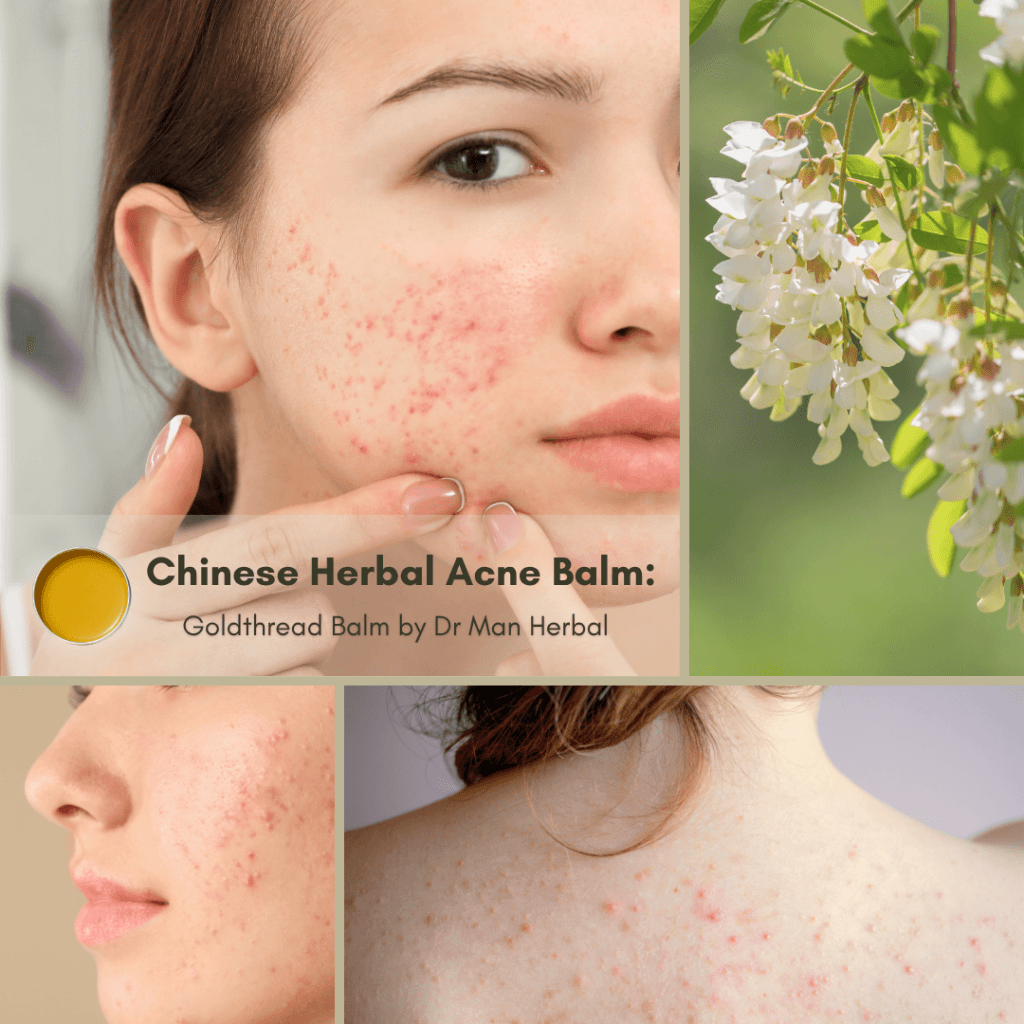
Acne is one of the most common skin concerns, especially among teenagers going through hormonal changes. In addition to puberty-related hormone fluctuations, factors such as irregular sleep, stress, and a high-sugar or oily diet can trigger skin inflammation. These “heat” conditions (known as “heaty” symptoms in Chinese medicine) often appear as red pimples, pustules, or cystic spots, which can leave scars and impact self-confidence.

A Natural Herbal Solution for Acne

In Traditional Chinese Medicine (TCM), acne is often caused by internal “heat and dampness” combined with toxin build-up. Goldthread Balm, a traditional Chinese herbal ointment, is formulated to clear heat, detoxify, reduce inflammation and fight bacteria, making it particularly effective for teenage acne and breakouts caused by diet or hormonal changes.

Natural Chinese Herbal Acne Balm

Who Can Benefit from Goldthread Balm?

1. Teenagers with Acne-Prone Skin
During puberty, hormonal activity leads to increased sebum production and clogged pores. Goldthread Balm gently soothes inflammation, reduces redness and swelling, and helps the skin recover naturally.

2. Diet-Related Breakouts (“Heaty Acne”)
The UK offers a diverse diet, but frequent consumption of fried, spicy, or sugary foods can lead to internal heat and toxin accumulation, causing breakouts around the mouth or chin. When combined with a lighter, balanced diet, Goldthread Balm can help clear these flare-ups.

3. Women with Hormonal or Stress-Related Acne
Women often experience acne before or after their menstrual cycle due to hormonal changes or stress. Applying Goldthread Balm as a spot treatment can reduce flare-ups and promote faster healing, especially when paired with holistic TCM advice.

Why Choose Goldthread Balm?

  • Made from 100% natural Chinese herbs — safe, gentle and suitable for sensitive skin.
  • Clears heat and reduces redness — targets inflamed spots and prevents further swelling.
  • Promotes skin healing — helps reduce acne scars and marks.
  • Easy to use — apply directly to affected areas 2–3 times a day.

How to Use

After cleansing, apply a thin layer of Goldthread Balm to acne-prone areas 2 to 3 times daily. For best results, combine with good lifestyle habits: balanced diet, enough sleep, and regular exercise.

Natural Chinese Herbal Acne Balm

Rediscover Clear, Confident Skin

Goldthread Balm blends the wisdom of Traditional Chinese Medicine with modern skincare needs. Whether you’re a teenager dealing with stubborn spots or a woman struggling with hormonal breakouts, this natural herbal acne balm is your gentle, effective solution.

Shop Goldthread Balm online or book a consultation with our registered Chinese medicine practitioners for personalised skincare advice.

How Chinese Medicine Helps Manage Vitiligo: A Natural Approach to Skin Health

How Chinese Medicine Helps Manage Vitiligo: A Natural Approach to Skin Health

Have you ever seen someone with irregular white patches on their skin?


These patches can appear on the face, arms, neck, or even across the entire body. They’re typically neither painful nor itchy, but they can be confusing and sometimes distressing. This condition is likely to be vitiligo, a common skin disorder characterised by a loss of pigment. While vitiligo is neither contagious nor life-threatening, it can have a significant impact on a person’s psychological wellbeing, social life, and overall quality of life.
Today, let’s take a closer look at what vitiligo is, its causes, symptoms, treatment options, and daily care tips.


What is Vitiligo?

Vitiligo is a condition where the melanocytes – the pigment-producing cells in the skin – become damaged or inactive, resulting in white patches. These patches usually have clearly defined edges and contrast sharply with the surrounding skin.

Common signs of vitiligo include:

  • White patches on the skin – usually symmetrical, with smooth surfaces and well-defined borders.
  • Typical areas affected: face, backs of the hands, fingers, arms, knees, feet, lips, and genitals – especially areas that are exposed or frequently subject to friction.
  • Hair turning white – in some cases, hair growing in the affected areas may also lose its colour.
How Chinese Medicine Helps Manage Vitiligo: A Natural Approach to Skin Health

Is Vitiligo Contagious or Hereditary?

There is a genetic component.
Vitiligo tends to run in families, though it is not strictly hereditary. Even if a parent has vitiligo, their child may not necessarily develop it. However, when combined with environmental or immune-related factors, the risk of developing vitiligo may increase.

Vitiligo is not contagious.
It is not caused by a virus or bacteria, and cannot be spread through physical contact, the air, or water.


What Causes Vitiligo?

The exact cause of vitiligo is still not fully understood, but it is generally believed to result from a combination of factors, including:

  1. Autoimmune factors: the immune system mistakenly attacks and destroys melanocytes.
  2. Genetics: a family history may increase the risk.
  3. Skin trauma or friction: repeated friction, pressure, or sunburn can potentially lead to localised depigmentation.
  4. Psychological stress: chronic stress, anxiety, or depression may trigger or worsen the condition.
  5. Nutritional deficiencies: low levels of elements such as copper and zinc, which are important for melanin production.

Can Vitiligo Be Treated?

Vitiligo treatment can be a long-term process. While there is no one-size-fits-all “cure”, many patients see significant improvement – including repigmentation and even clinical remission – with appropriate treatment.

Common treatment options include:

  1. Topical medications – corticosteroid creams, calcineurin inhibitors like tacrolimus, and photosensitisers to stimulate melanin production.
  2. Phototherapy – narrowband UVB (311nm) light therapy and excimer laser therapy are established treatments that promote the regeneration of pigment cells.
  3. Oral medications – prescribed in some cases to support treatment.
  4. Surgical options – such as skin grafting or melanocyte transplantation, may be considered for localised and stable cases, but require careful evaluation.

Traditional Chinese Medicine (TCM) Approach:

In TCM, treatment is personalised based on individual constitution. Internal herbal medicine, external topical applications, and acupuncture may be combined to rebalance the body, reduce the spread of white patches, and alleviate the emotional stress that can exacerbate symptoms.


Lifestyle Tips and Daily Care:

  1. Avoid excessive sun exposure – UV radiation can damage pigment cells and may worsen the condition.
  2. Minimise friction or skin trauma – avoid tight clothing and frequent scratching.
  3. Manage stress and emotions – mental wellbeing plays a key role; keeping calm and relaxed is beneficial.
  4. Maintain a balanced diet – include foods rich in copper, zinc, and vitamins B, C, and E.